

The illicit drug market is full of hidden dangers. Many users don’t realise the risks. Street drugs often have unexpected and dangerous additives.
Fentanyl contamination is a major threat to drug safety. This synthetic opioid is deadly in tiny amounts. Yet, dealers mix it with other drugs to make them stronger.
Looking at shit laced warning alongside type shit mean modern gives a clearer view of the wider topic.
Many people don’t know they’re taking tainted drugs until it’s too late. The rise in overdose deaths in the US shows this is a big public health issue.
Learning about the dangers of substance contamination can save lives. This article is a key laced substances warning for those who might come across these harmful products.
Education and awareness are the best ways to fight this hidden epidemic. Knowing what to look for and how to react can be the difference between life and death.
The Disturbing Prevalence of Contaminated Substances
In the United States, a hidden crisis is growing in the illegal drug market. The rate of substance contamination has skyrocketed, leading to a massive overdose epidemic.
The Centers for Disease Control and Prevention has shared disturbing news. Deaths linked to synthetic opioids have jumped sharply. About 70% of these deaths involve fentanyls, which look like real medicines but are deadly.
The Drug Enforcement Administration’s lab tests show a worrying trend. Many seized pills contain lethal amounts of fentanyl. This is especially true for fake oxycodone M30 tablets.
Related Posts:






These fake pills look just like real ones. This is a big illicit market danger. It means no street drug is safe from contamination.
Several things make this problem worse:
- Dealers make more money by using cheaper synthetic additives.
- There’s little control over illegal drug sales.
- Dealers can make fake medicines that look real.
- People don’t know what’s in the drugs they buy.
This contamination crisis affects more than just users. Emergency rooms see more cases of bad reactions. Health systems are overwhelmed by preventable overdose cases.
| Year | Synthetic Opioid Deaths | Percentage of Pills Containing Fentanyl | States Most Affected |
|---|---|---|---|
| 2019 | 36,359 | 27% | Ohio, Massachusetts, Florida |
| 2020 | 56,516 | 42% | California, Pennsylvania, Ohio |
| 2021 | 70,601 | 58% | California, Florida, Pennsylvania |
| 2022 | 73,838 | 67% | California, Florida, Texas |
The situation is getting worse. The drug contamination rates are rising. It’s a big challenge for health initiatives to fight this crisis.
Knowing the extent of contamination is key to solving the problem. It’s dangerous to think any illegal drug is safe today.
Decoding the Warning: What “This Shit Laced” Actually Means
When someone says “this shit laced,” they’re warning about a big danger. This slang terminology means a substance has been mixed with something dangerous. It comes from real-life experiences where people find unexpected things in their drugs.
Online forums like Reddit are key for sharing these warnings. People post about their suspicions and confirmations of contamination. This helps create a digital space where users can warn others about dangerous products.
The drug adulteration meaning is clear in examples. For instance, “pressed pills” often mean fentanyl contamination. “Dirty 30’s” refers to fake oxycodone pills with dangerous synthetic opioids. These terms come from shared experiences, not formal education.
Understanding this slang terminology is not about promoting drug use. It’s about knowing the dangers. When someone says “this shit laced,” they’re trying to keep others safe. This language is a survival tool in places where official safety info is hard to find.
This coded language shows important aspects of drug culture:
- Community protection – Experienced users warn others about dangerous batches
- Rapid information sharing – Quick sharing of safety alerts through informal networks
- Trust verification – Building credibility through shared language and experiences
- Risk assessment – Helping users make informed decisions about substance use
This special vocabulary acts as a warning system and cultural marker. Those who know these terms can get life-saving info. But those outside these communities might miss important danger signals. This language shows how groups develop their own safety measures when official systems fail.
Increasing user awareness about these terms helps medical professionals and others understand risks. Knowing these phrases can lead to earlier intervention and better harm reduction strategies.
| Common Slang Term | Actual Meaning | Potential Risk Level |
|---|---|---|
| “Pressed pills” | Counterfeit medications often containing fentanyl | Extremely High |
| “Dirty 30’s” | Fake oxycodone 30mg tablets with unknown additives | Very High |
| “Cut product” | Substance diluted with inactive or active additives | Variable |
| “Research chemical” | Novel psychoactive substance with unknown effects | High |
The table shows how specific terms communicate risk. This coded language lets users share safety info quickly and discreetly. Knowing this laced drugs definition vocabulary is key for harm reduction and substance abuse prevention.
Phrases like “this shit laced” are more than slang. They show a community’s effort to protect itself from dangerous drugs. This language shows the creativity and desperation of people in unregulated markets where product quality is uncertain.
Common Dangerous Contaminants Found in Adulterated Substances
The illegal drug market hides many dangers beyond the main drugs. Adulterated products often have hidden additives that can be very harmful. It’s important to know about these additives to understand the risks of drug use.
Fentanyl and Synthetic Opioid Contamination
Fentanyl is a big drug additives danger today. It’s 50 times stronger than heroin and 100 times stronger than morphine. Dealers mix fentanyl with other drugs to make them more potent and cheaper.
The “pink down” incident in Winnipeg shows this risk. A heroin mix had fentanyl and benzodiazepines, causing many overdoses. People thought they were getting heroin but got something much more dangerous.
Other synthetic opioids like carfentanil are also in street drugs. These substances are as dangerous as fentanyl because they’re so potent. Even a tiny amount can stop breathing and cause death.
Research Chemicals and Novel Psychoactive Substances
Novel psychoactive substances are thousands of new drugs made in labs. They try to act like traditional drugs but are not legal. These substances are not tested for safety and can have strange effects on people.
Examples include synthetic cannabinoids (like “spice” or “K2”) and synthetic cathinones (“bath salts”). These can cause serious problems like:
- Psychotic episodes and paranoia
- Seizures and convulsions
- Cardiovascular complications
- Kidney and liver damage
These substances keep changing, making them very dangerous. Users don’t know what they’re taking or how it will affect them. This is a big challenge in teaching about drug safety.
Immediate and Long-Term Health Consequences
When substances are mixed with unknown contaminants, users face health risks from minutes to years. The unpredictable nature of these drugs makes it hard to know how they will react. This uncertainty is dangerous, even for those who have used drugs before.
Acute Physical Dangers and Overdose Risks
The biggest danger is sudden overdose symptoms that can be fatal in minutes. Contaminants like fentanyl make drugs much stronger, catching the body off guard. The biggest risk is acute health risks like breathing problems.
Other immediate effects include:
- Loss of consciousness and coma
- Extreme changes in blood pressure and heart rate
- Seizures and muscle rigidity
- Blue-tinged lips or fingernails indicating oxygen deprivation
These acute health risks need quick medical help. The Alabama Department of Public Health guidelines say fast action can save lives.
Chronic Health Implications and Organ Damage
Using drugs with unknown substances can cause long-term chronic drug effects. The body’s organs, especially the liver and kidneys, are at risk of organ damage from contaminants.
Long-term effects include:
- Liver cirrhosis and failure from processing toxic substances
- Kidney damage leading to dialysis dependency
- Cardiovascular problems including heart muscle damage
- Neurological impairment and cognitive decline
These chronic drug effects often start quietly, with symptoms appearing late. The organ damage from contaminants can be permanent, needing lifelong care even if drug use stops.
| Health Impact | Timeframe | Primary Symptoms | Potential Outcomes |
|---|---|---|---|
| Acute Overdose | Minutes to hours | Respiratory depression, unconsciousness | Death, brain damage, emergency hospitalization |
| Cardiovascular Damage | Weeks to months | Irregular heartbeat, chest pain | Heart attack, stroke, chronic hypertension |
| Liver Toxicity | Months to years | Jaundice, abdominal swelling | Cirrhosis, liver failure, transplantation need |
| Neurological Effects | Months to years | Memory loss, coordination problems | Permanent cognitive impairment, movement disorders |
The table shows how health problems change over time. Spotting overdose symptoms early can prevent serious issues. Knowing how chronic drug effects progress shows why early treatment is key.
Identification Methods for Potentially Tainted Products
Spotting contaminated substances needs a mix of old and new methods. No single way is perfect, but together, they help a lot.
Visual and Physical Inspection Techniques
Looking closely at substances can show early signs of trouble. Users should watch for anything that looks off.
Look out for odd colours, strange crystals, or textures that don’t fit. Things like being too brittle or melting differently can mean it’s not safe.
One Reddit user said, “The powder had blue speckles I’d never seen before – turned out to be fentanyl contamination.” This shows how looking closely can help.
But, these methods have big limits. Some dangers, like fentanyl, can’t be seen, smelled, or tasted when mixed right.
Drug Testing Kits and Technological Solutions
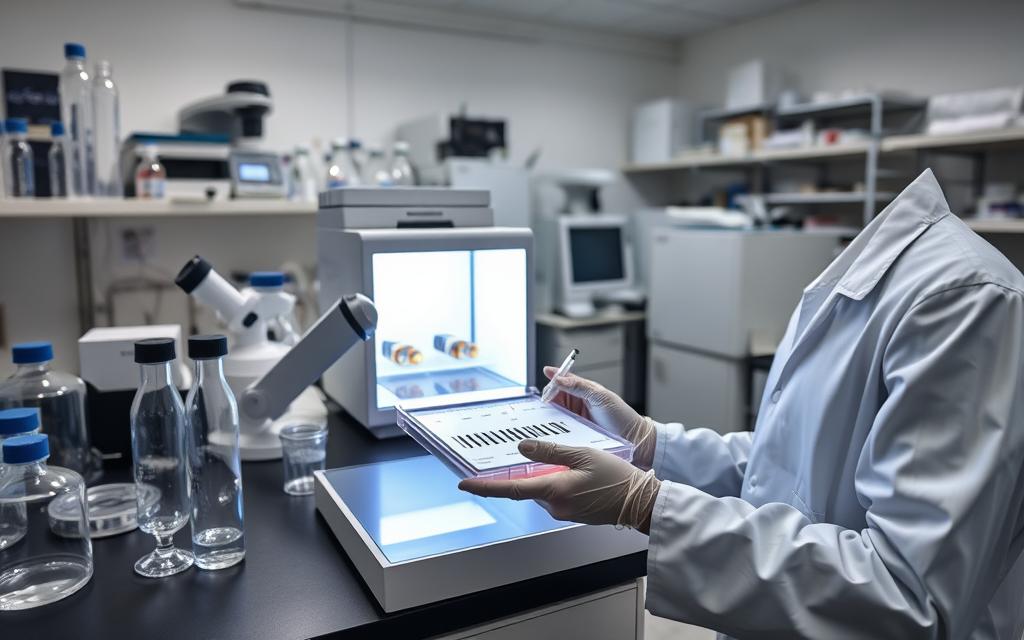
Modern drug tests are better than just looking. They’re getting easier for people to use.
Fentanyl test strips are a big step forward. They’re cheap and can spot fentanyl in many things pretty well.
To use them, mix a bit of substance with water and dip the strip. You’ll know in a few minutes if it’s fentanyl by the strip’s colour.
Other tech includes:
- Multi-panel test kits for many substances
- Portable spectrometers for detailed checks
- Colorimetric tests for specific chemicals
These tools are great, but they have limits. They can’t show how much of something is there, and sometimes they miss things.
| Testing Method | Detection Capability | Time Required | Cost Range |
|---|---|---|---|
| Fentanyl Test Strips | Fentanyl and analogues | 5 minutes | $1-2 per test |
| Multi-Panel Tests | 5-10 common substances | 10-15 minutes | $5-10 per test |
| Marquis Reagent | MDMA, amphetamines, opioids | 2-3 minutes | $15-30 per kit |
| Portable Spectrometer | Multiple substances | Instant results | $2000+ |
Experts say these tools are good but not enough on their own. They help a lot but can’t make everything safe.
When using these tests, start with a little bit and be ready for surprises. Mixing looking closely with tech checks is the best way to find out if something is bad.
The Economic Motivations Behind Substance Adulteration
The underground drug trade is all about making money, no matter the cost to people’s health. Dealers must make as much money as possible while spending as little as they can. This leads to illicit trade incentives for risky actions.
One big reason is the use of cheap synthetic drugs instead of expensive real ones. For example, fentanyl is very cheap compared to real opioids. This big price difference makes dealers want to cheat more.
The math behind this is scary. A kilogram of pure fentanyl can be mixed with other stuff to make millions of fake pills. Each pill might have just enough real drug to work, but it makes a lot of money.
When COVID-19 closed borders, things got worse. Dealers had to use whatever they could find, leading to very unsafe products. The need for more stuff pushed them to use even more dangerous drugs.
Key economic factors driving substance contamination include:
- Extreme profit differentials between pure and adulterated products
- Reduced production costs using synthetic substitutes
- Market competition driving increasingly dangerous practices
- Supply chain vulnerabilities during global crises
This drug market economics makes a race to the bottom where safety is ignored. Dealers who don’t cheat can’t compete with those who do, leading to more dangerous products.
The money is so tempting that safety is forgotten. A former dealer said:
“When you see you can make ten times the money using cheaper materials, the temptation becomes overwhelming. You stop thinking about consequences and start thinking about profits.”
Knowing why contamination happens helps us see why it’s hard to stop. The money is just too good for many in the illegal drug trade.
This shows why we all need to be careful and why rules are important. The market alone can’t fix this health crisis without help from rules and careful watching.
Legal Framework and Enforcement Strategies in the United States
The US has a strong legal plan to fight substance adulteration. It uses strict laws at home and works with other countries. This plan targets the people who make and sell tainted substances.
United States Federal and State Drug Legislation
The US drug laws are key in America’s fight against tainted substances. The Controlled Substances Act sorts drugs into groups based on their danger and usefulness.
New federal legislation has focused on fentanyl and other harmful substances. The STOP Act of 2018 made it tougher to send synthetic opioids. States have also made laws to punish dealers more for fatal overdoses.
Important laws include:
- Mandatory minimum sentences for tainted substance distribution
- Asset forfeiture to take away drug profits
- Harsher penalties for substances that cause death or serious harm
- State laws in over 20 places for “drug-induced homicide”
The DEA’s “One Pill Can Kill” campaign is a big push to warn people about fake meds. It works with old methods to stop the spread of these dangerous drugs.
International Cooperation and Counter-narcotics Efforts
Good counter-narcotics work needs help from around the world. The US works with other countries to fight drug trafficking.
International drug enforcement work happens in many ways:
- Working together with Mexican and Colombian police
- Sharing info through INTERPOL and Europol
- Training foreign police
- Big operations to stop drug-making chemicals
These efforts have led to big wins. The DEA says it took over 20 million fake pills in 2022, many with deadly fentanyl.
Working together on money trails is also key. This part of fighting drugs is getting more important.
| Enforcement Strategy | Primary Agency | Key Achievements (2022-2023) | International Partners |
|---|---|---|---|
| Operation Pipeline Shield | DEA | 2,500 arrests nationwide | Mexico, Canada |
| Project Synergy | Homeland Security | 500kg fentanyl seizures | China, India |
| Cartel Priority Programme | FBI | 20 trafficking networks disrupted | Colombia, Peru |
| Financial Crime Task Force | Treasury Department | $150 million assets frozen | European Union |
The table shows how different agencies and countries work together. This approach tackles both the drug networks and the money that supports them.
It’s important to keep improving how we fight drugs. Criminal groups are always changing their ways. Now, we’re focusing on dark web sites and using new money-tracking methods. We need new laws and special skills to keep up.
Harm Reduction Approaches and Protective Measures
Community-based initiatives and personal safety measures are key to harm reduction programmes. These methods aim to lessen harm, not stop substance use completely. They understand that people might keep using substances despite the risks.
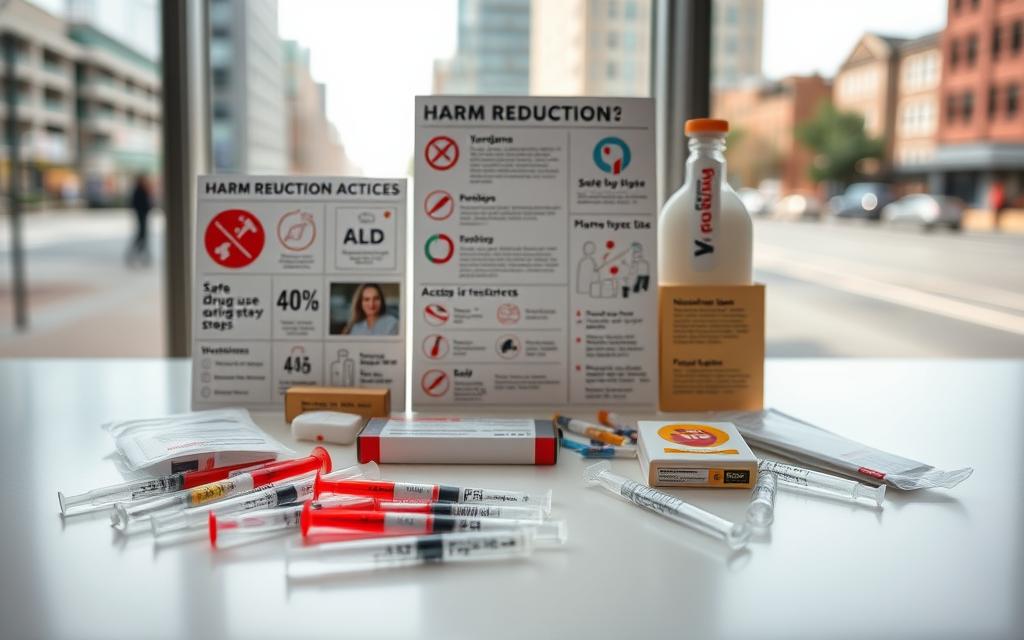
Community-Based Harm Reduction Programmes
Effective community programmes save lives and cut down on health risks. Needle exchange services help prevent blood-borne infections by providing clean needles and safe disposal. These services also lead to more support for users.
Supervised consumption spaces offer safe places with trained staff ready to help in emergencies. They lower overdose deaths and connect users with health services. Many also test drugs to find dangerous substances.
Education programmes teach people how to use naloxone kits and spot overdoses. This training lets bystanders help in emergencies, boosting survival chances from opioid overdoses.
“Accurate drug testing and safe supply programmes represent the gold standard in modern harm reduction practices.”
Personal Safety Protocols and Risk Mitigation
Personal safety starts with never using alone. Having a sober friend around can save lives by quickening response times. This simple rule is a top risk reduction tip.
Always test small amounts first when trying new substances. This cautious step lets you gauge the substance’s strength and effects before taking more. Waiting at least thirty minutes between doses helps avoid accidental overdose.
Keep naloxone handy and make sure friends know how to use it. This medicine can reverse opioid overdoses and has no effect on other substances. Many pharmacies now sell naloxone without a prescription.
It’s important to clear up myths about substance risks. Studies show that myths about indirect exposure, like dogs overdosing from residue, are not true. Knowing the real risks helps focus on the right safety measures.
Creating a personal safety plan is key before using substances. This includes having emergency contacts, choosing safe places, and avoiding mixing substances with unknown effects.
Available Support Services and Emergency Resources
When you face a substance-related emergency or need recovery support, knowing where to go is key. Many organisations and services are ready to help immediately and for the long term. They support those affected by contaminated substances.
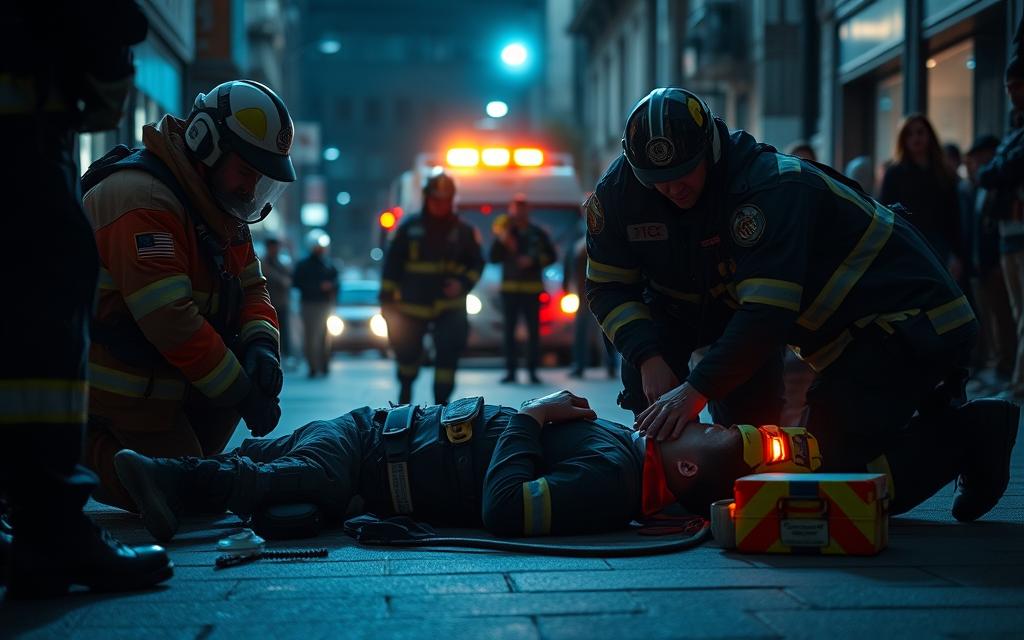
Medical Emergency Services and Overdose Response
In overdose cases, quick action is crucial. Emergency medical services act fast, bringing life-saving help. They often give naloxone for opioid overdoses, sometimes needing more than one dose for strong opioids like fentanyl.
Some communities have new ways to help in emergencies. They use text alerts to send medical teams quietly. Public access naloxone programmes teach people how to use kits, helping before help arrives.
Hospitals have special plans for substance-related cases. They do detailed tests and watch patients closely for any late effects. They also work with peer support specialists to help patients when they need it most.
Rehabilitation Services and Counselling Support
Recovering from substance use needs ongoing, long-term help. Rehab programmes offer a safe place with medical care, therapy, and planning for aftercare. They help with both physical and mental issues linked to substance use.
Counselling is key for lasting recovery. Trained therapists use proven methods in one-on-one and group sessions. Family therapy is also used to mend relationships and build strong support networks.
Many places offer help based on what you can pay or with insurance. Some even have online counselling for those who can’t meet in person. Rehab programmes also have alumni groups for ongoing support after treatment ends.
Community health centres are often the first stop for these services. They help find the right level of care. They work closely with harm reduction groups to support people from crisis to long-term recovery.
Conclusion
This detailed look at tainted substances highlights their serious dangers. The term “this shit laced” is more than just slang. It’s a warning about deadly contamination.
Our study shows important lessons for keeping everyone safe. Substances like fentanyl and research chemicals can cause instant overdoses and long-term health issues. These warnings are not to be ignored.
To stay safe, we need testing kits, harm reduction programs, and support services. Being careful and using community resources is key. This way, we can fight against tainted products.
Fighting this problem needs everyone’s help. We need better laws, global cooperation, and more help for those struggling. Every community should be protected from harmful substances.
Keeping substances safe starts with learning and ends with taking action. Let’s remember these lessons, spread the word, and push for solutions that help everyone.
FAQ
What does the phrase “this shit laced” mean in the context of substance use?
The phrase “this shit laced” warns that a substance has been mixed with harmful additives. This warning comes from community talks, especially online. It’s key to know this to avoid risks and find reliable info.
How common is substance contamination in the illicit drug market?
Substance contamination is very common. Health agencies like the CDC and DEA report a big rise in overdose deaths from synthetic opioids. Many counterfeit pills seized contain lethal doses, showing no drug is safe from adulteration. This is a big public health worry.
What are the most dangerous contaminants found in adulterated drugs?
The most dangerous are fentanyl and its analogues. They are up to 50 times stronger than heroin and cause most overdose deaths. Research chemicals and new psychoactive substances can also cause serious health problems. They are added to make drugs cheaper but can be deadly.
What are the immediate health risks of consuming tainted substances?
Immediate risks include breathing problems, coma, and death from overdose. Fentanyl can cause severe effects quickly because of its unpredictable strength. There have been cases where users died right after taking it, showing the danger of even one use.
How can someone identify if a substance is contaminated?
You can check by looking for unusual colours, textures, or marks. You can also test for brittleness. Fentanyl test strips can detect fentanyl but not how much. Still, these methods have limits and should be used with other safety practices.
Why do dealers adulterate substances with dangerous additives?
Dealers do it for money. Using fentanyl lets them make cheap fake pills that look like expensive ones, making more money. The COVID-19 pandemic has also made contaminated supplies more common, making the problem worse.
What legal measures exist to combat substance adulteration in the United States?
In the US, laws like the Controlled Substances Act punish selling contaminated drugs. The DEA targets fake pill makers and seizes them. Working with global agencies also helps stop trafficking. These steps aim to cut down on tainted substances.
What harm reduction strategies can minimise risks associated with illicit drug use?
Harm reduction includes programs like needle exchanges and safe sites. Education and testing kits are also key. Using with others, starting small, and having naloxone ready are personal safety steps. These practices help make drug use safer.
What resources are available for individuals affected by tainted substances?
Important resources include emergency services and addiction treatment. Mental health support and harm reduction networks are also crucial. They offer safe sites and data to help those affected and ensure safety and recovery.
Are there long-term health consequences from using adulterated substances?
Yes, long-term use can cause serious health problems. It can damage organs, worsen addiction, and harm mental health. Avoiding tainted substances and seeking help for addiction is vital to prevent long-term harm.
