

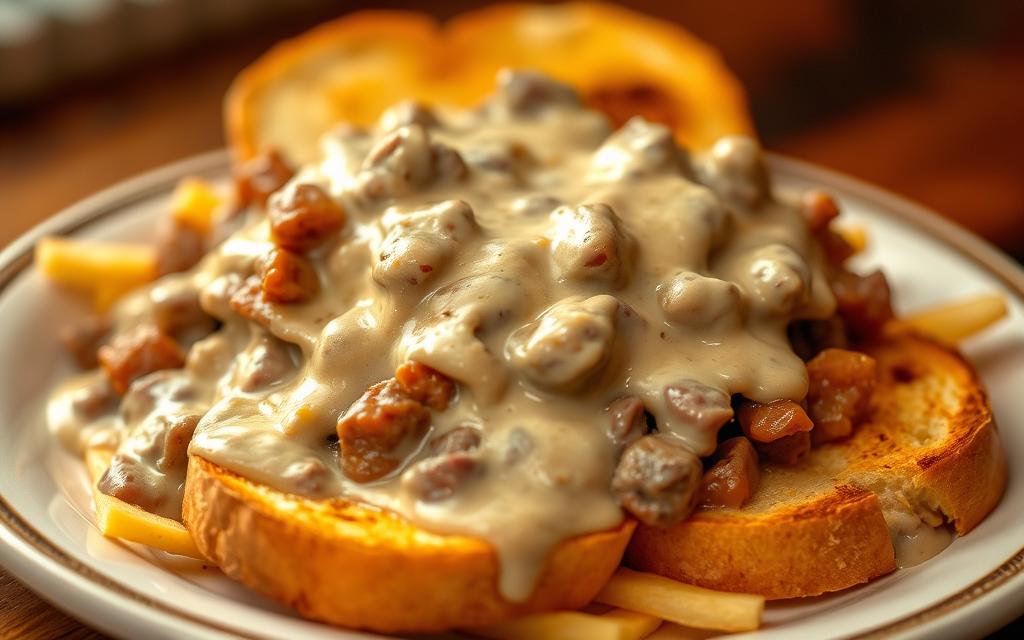
In America, there’s a dish with a funny name but remarkable staying power. It’s made from simple ingredients that come together to make something truly special.
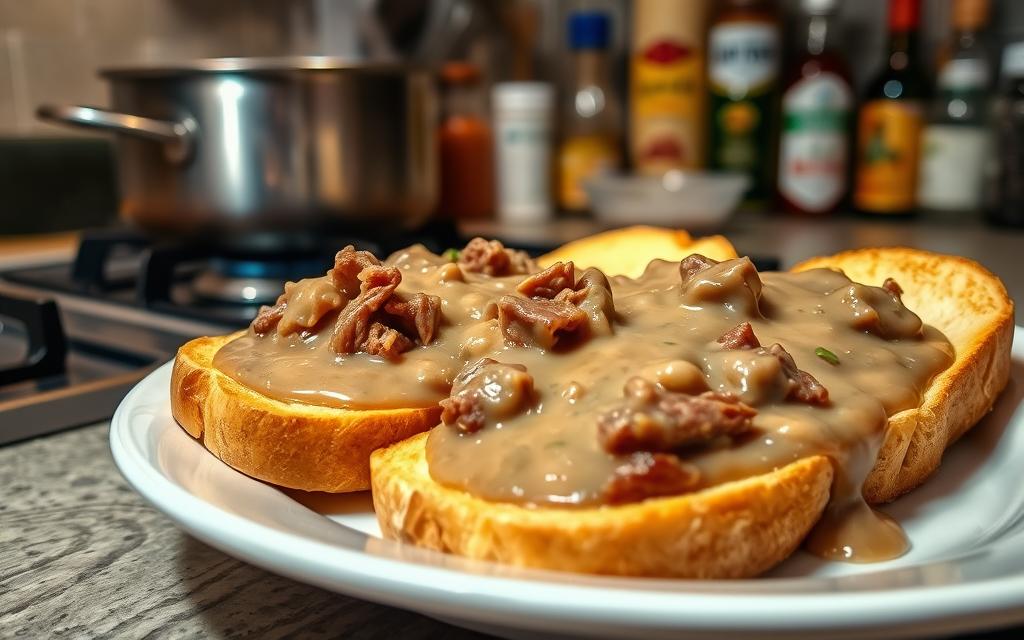
This dish is all about creamed chipped beef on top of crispy toast. It’s a meal that has warmed the hearts of many over the years.
Despite its funny name, it’s a true part of genuine American culinary tradition. It was especially loved by military folks during wartime.
The dish’s charm comes from its simplicity and warmth. Creamed chipped beef adds a rich, savoury taste that goes well with the crunchy toast.
Today, it’s still a favourite at breakfast and in diners across the United States. Its lasting popularity shows it’s a true comfort food icon.
Understanding Shit on a Shingle: A Culinary Enigma
Shit on a Shingle is a fascinating mix of simple ingredients and military history. It’s a comfort food that surprises many with its name. Yet, it’s deeply rooted in American food culture.
The Basic Composition and Appearance
This dish has three main parts. Dried beef is the protein, often sliced or shredded. A creamy white sauce, made with milk or cream and flour, holds it all together.
This mix is then spread over toasted bread. The creamy beef and crispy bread make it easy to spot. Despite its odd name, it looks quite charming.
“Creamed Chipped Beef on Toast recipe has a similar rich and satisfying taste, but takes only a few minutes to whip up for a quick breakfast.”
Why This Dish Stands Out Among American Comfort Foods
Several things make this American comfort food special. It’s quick to make, ready in under twenty minutes. This is much faster than many other comfort foods.
The taste is a perfect mix of salty and creamy. The dried beef adds a unique saltiness that pairs well with the creamy sauce. This makes it a flavourful treat.
Unlike many comfort foods, it’s fast to prepare. The creamy topping and crunchy toast add to its appeal. It’s great for a quick dinner or meal.
| Comfort Food | Preparation Time | Key Characteristics | Texture Profile |
|---|---|---|---|
| Shit on a Shingle | 15-20 minutes | Salty beef, creamy sauce | Creamy with crisp toast |
| Macaroni and Cheese | 30-45 minutes | Cheesy, baked crust | Creamy with crunchy top |
| Chicken Pot Pie | 60+ minutes | Savory filling, flaky crust | Soft interior, crisp exterior |
| Meatloaf | 60+ minutes | Hearty, tomato glaze | Firm yet moist |
This American comfort food is loved for its ease and flavour. It’s a standout in the comfort food world. Its military background adds to its unique charm.
Historical Origins and Military Connections
Military kitchens during World War II gave birth to a beloved American dish. Shit on a Shingle was born out of necessity, not culinary dreams. With limited rations, chefs had to get creative with meals.
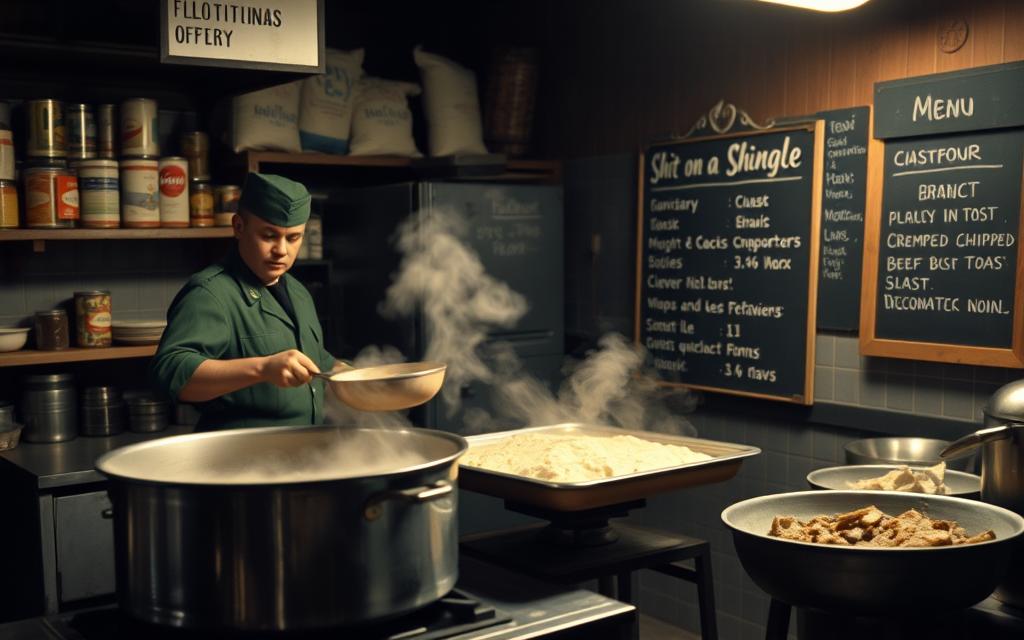
World War II Roots and Military Mess Hall Popularity
World War II posed big challenges for military chefs. They had to feed many with little. They used cheap, long-lasting ingredients like dried beef and bread.
Soldiers loved it for its taste and how easy it was to make. It was perfect for feeding large groups. This dish became a staple in military mess halls.
Post-War Adoption in American Households
When veterans came home, they brought their love for this dish with them. Families started making it at home. It was cheap and easy to make, perfect for the post-war years.
Home cooks made it their own, using fresh ingredients and better bread. By the 1950s, it was a favourite in many homes. This shows how military food influenced American cooking.
The Evolution from Military Rations to Family Dinner
The dish’s journey from military food to family favourite is interesting. Home versions were often made with better ingredients and care. This made the dish even more special.
Using fresh beef and homemade bread were common changes. The dish’s core remained the same, but it got better. This shows how military food inspired American comfort dishes.
Shit on a Shingle’s move from mess halls to dinner tables is remarkable. It’s a dish that families have cherished for generations. They’ve made it their own, keeping its history alive.
Decoding the Unusual Name: Shit on a Shingle
The name “Shit on a Shingle” is a standout in American food history. It’s a story of how a dish got its memorable name. We’ll look into its origins and how language shaped our view of it.
Military Slang and Its Culinary Influence
In World Wars, military dining halls were where unique slang was born. Soldiers used coded language, including for their food. The SOS recipe got its colourful name from this tradition.
Humour and exaggeration helped soldiers deal with tough times. Their names for dishes reflected what they looked like and their views on military food. This creativity left us with a lasting nickname in American food history.
How the Name Reflects the Dish’s Appearance
The dish’s look inspired its name. The creamed chipped beef’s texture and colour reminded soldiers of the name. The toast base looked like roofing shingles.
This literal connection made the name stick through the years. It shows how military culture valued honesty over polite talk.
Alternative Names and Regional Variations
While “Shit on a Shingle” is well-known, other names exist. These reflect local tastes and traditions.
| Region | Alternative Name | Distinguishing Feature |
|---|---|---|
| Northeastern US | Creamed Beef on Toast | Formal, descriptive name |
| Midwestern US | SOS | Acronym version |
| Southern US | Country Captain | Sometimes includes curry powder |
| Military Families | Same Old Stuff | Polite alternative meaning |
These differences show how a dish can take on different identities. The SOS recipe stays true to its core while fitting local tastes.
Some families call it “Same Old Stuff” or just “SOS.” These names let families keep the dish’s tradition while being polite. The names’ evolution shows how food traditions change with society.
Despite these changes, the original name is still the most known. Its lasting impact shows the deep link between food, memory, and American servicemen’s creativity. The SOS recipe keeps its military roots alive through its unique name.
Core Ingredients and Traditional Preparation
Creating an authentic Shit on a Shingle starts with three key ingredients. These elements are crucial for keeping the dish true to its roots. They also ensure it tastes as comforting as it has for years.
The Essential Components Breakdown
Shit on a Shingle needs a special mix of ingredients. Each part plays a role in making the dish unique. This mix creates the dish’s texture and taste.
Selecting the Right Meat: Chipped Beef vs Modern Alternatives
For real Shit on a Shingle, use chipped beef. It’s thin, salt-cured, and chewy. Buddig Beef is a good choice. Some people use fresh beef or turkey for a lighter taste. But, many say this changes the dish too much.

The sauce is the heart of the dish. It starts with butter and flour. Whole milk makes it creamy. Seasonings like onion powder and thyme add depth. The sauce should be thick but still pourable.
Bread Selection: Toast as the “Shingle”
Use Texas toast, brioche, or thick white bread as the base. They keep the sauce from making the bread soggy. The bread also adds a nice texture contrast.
Step-by-Step Traditional Cooking Method
Following a traditional method is key. It ensures the dish has the right consistency and flavour. The process has two main parts, each important for the final taste.
Preparing the Creamed Meat Mixture
Start by melting butter in a pan over medium heat. Add flour to make a roux, cooking for a minute. Then, slowly add milk, whisking to avoid lumps. Add seasonings like onion powder and thyme.
When the sauce thickens, add the chipped beef. Simmer for five minutes. This softens the meat and adds flavour to the sauce. Season as needed before stopping the heat.
Toast Preparation and Assembly Techniques
While the sauce rests, toast the bread until it’s golden. Place the toast on plates, slightly overlapping. Then, pour the warm sauce over the toast, making sure it’s evenly spread.
Serve the dish right away. The sauce and toast should be at their best. This way, the dish tastes great and looks appealing.
Regional Variations Across the United States
Shit on a Shingle’s core idea stays the same, but different parts of America have their own twist. This is because of local ingredients and cooking traditions. It shows how a simple dish from the military has grown to fit various tastes and what’s available.
Midwestern Interpretations and Additions
In the Midwest, this comfort food gets a heartier makeover. Families often add potatoes or serve it over mashed potatoes. They might also add sweet corn or green beans to make it more filling.
The cream sauce gets richer with more dairy from the Midwest’s farms. This shows the region’s love for hearty, farm-style meals.
Southern Adaptations with Local Ingredients
Southern cooks give this dish their own special touch. They use country ham or smoked sausage instead of dried beef. This fits the region’s love for smoked meats.
They also add a bit of hot sauce or cayenne pepper to the cream sauce. This gives it a hint of Southern heat. Some even use biscuits instead of toast, making it truly Southern.
Northeastern Takes on the Classic Recipe
The Northeast sticks to the original recipe. Families here look for authentic dried beef to keep the traditional taste. They like the dish’s simple preparation, which fits the region’s straightforward cooking style.
Some coastal areas might try seafood versions, but these are less common. The classic way remains the most loved in the Northeast.
West Coast Modernisations
California and the West Coast have their own modern takes on this dish. They might use turkey or plant-based proteins instead of dried beef. The cream sauce is often made lighter with Greek yoghurt or low-fat options.
Some chefs even add organic ingredients or artisanal breads. These changes show the West Coast’s focus on health and creativity while keeping the dish comforting.
As one cook says, “The main ingredient, dried beef, might be hard to find in some areas”. This has led to creative solutions in kitchens across America.
Every region’s version respects the dish’s roots but adds its own local flavours and ingredients. This flexibility has kept Shit on a Shingle beloved by many, across different places and times.
The Cultural Significance of American Comfort Foods
Comfort foods like Shit on a Shingle are more than just food. They hold memories and traditions across generations. These dishes are cultural touchstones that connect us to our heritage and personal history.
What Defines a Comfort Food
Comfort foods have unique qualities that make them stand out. They use simple, familiar ingredients in traditional ways. These dishes often bring up strong emotions and nostalgia.
The texture and temperature of comfort foods are key. Warm, creamy dishes like those with rich white gravy offer physical comfort. This sensory experience adds to their comforting nature.
Comfort foods are often linked to special occasions or memories. They might remind us of family gatherings, holidays, or childhood. These emotional connections make them special.
Shit on a Shingle’s Place in American Culinary History
Shit on a Shingle has a special place in American food history. It started in the military and became a beloved comfort dish. Its simplicity and affordability made it popular.
The creamy white gravy base is what makes it special. It provides comfort and sustenance. This method helped families make satisfying meals from affordable ingredients during tough times.
As one culinary historian notes:
“Although this humble Creamed Chipped Beef on Toast recipe goes by a name that doesn’t sound very appetising, it is in truth ultra-rich and utterly comforting.”
The dish’s lasting popularity shows how military rations can become cherished comfort foods. It has deep cultural significance.
Psychological Aspects of Comfort Food Consumption
Eating comfort foods is a complex psychological act. They often bring up positive memories or experiences. This can reduce stress and anxiety.
Foods with creamy textures like white gravy offer special psychological comfort. Their smooth consistency and warm temperature are calming and reassuring.
Research shows that comfort foods:
- Trigger nostalgia and positive memories
- Provide sensory comfort through texture and temperature
- Offer emotional regulation during stressful periods
- Create feelings of security and familiarity
Making traditional comfort foods like Shit on a Shingle is comforting. It connects us to our past through the familiar process of making the creamy white gravy base.
| Comfort Food Characteristic | Emotional Impact | Sensory Quality | Cultural Significance |
|---|---|---|---|
| Familiar ingredients | Security and nostalgia | Recognisable flavours | Tradition preservation |
| Warm temperature | Physical comfort | Soothing warmth | Home cooking association |
| Creamy texture (white gravy) | Psychological comfort | Smooth consistency | Comfort food standard |
| Simple preparation | Accessibility | Consistent results | Cross-generational appeal |
The lasting appeal of dishes with white gravy shows how certain culinary elements are deeply rooted in culture. These dishes nourish both body and soul across American households.
Modern Interpretations and Contemporary Versions
Traditional Shit on a Shingle is still loved for its nostalgic charm. But, modern chefs and home cooks have made creative changes. They’ve updated this classic comfort food to suit today’s tastes and dietary needs. These new versions keep the dish’s comforting feel but add exciting flavours and textures.
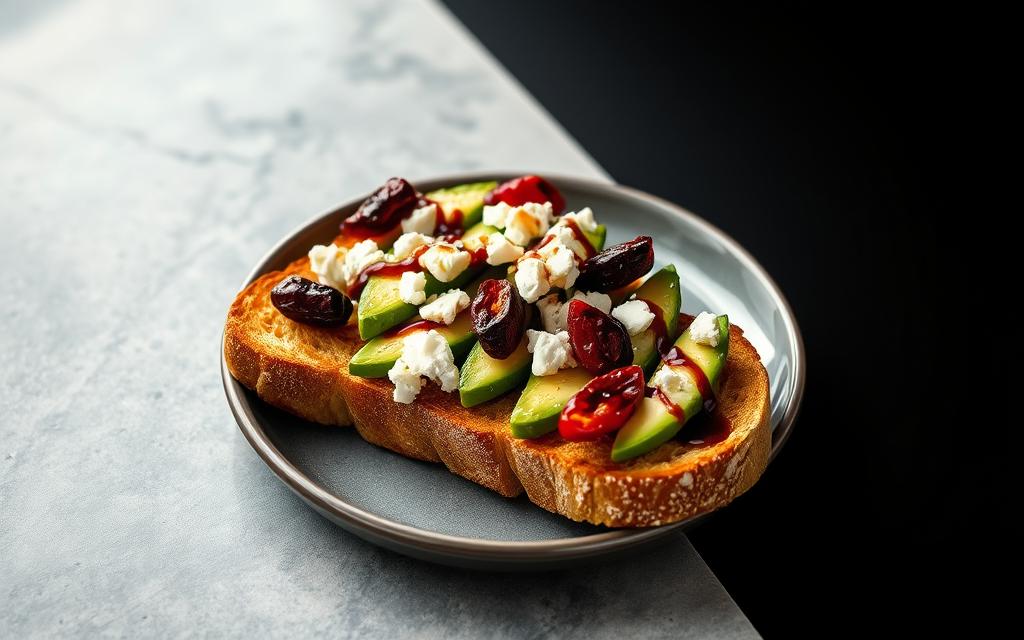
Gourmet Chef Reinterpretations
Top chefs have turned this simple dish into a gourmet delight. They use artisanal breads like sourdough or brioche instead of regular toast. The sauces are now made with wild mushrooms, truffle oil, or premium meats.
Some places even use slow-cooked short ribs or duck confit instead of the usual chipped beef. This gives the classic toast recipe a fancy twist.
Health-Conscious Adaptations and Dietary Variations
There are now health-focused versions of Shit on a Shingle. These use whole grain or multigrain bread for more fibre. The creamy sauce is often made with less fat or olive oil.
For those watching their carbs, there are creative swaps. Roasted cauliflower steaks or portobello mushrooms can replace traditional toast.
Vegetarian and Vegan Alternatives
Plant-based versions of Shit on a Shingle are very popular. Vegan options might include:
- Mushroom-based gravies with deep umami flavour
- Seitan or textured vegetable protein as meat substitutes
- Cashew or almond cream sauces instead of dairy
- Nutritional yeast for a cheesy taste without animal products
These options keep the dish comforting while fitting vegetarian and vegan diets.
Restaurant Menus Featuring Updated Versions
Restaurants in the United States are now serving modern Shit on a Shingle. They give it creative names that respect its history but also appeal to today’s tastes. Some use local, seasonal ingredients or add international flavours, showing the dish’s versatility.
The evolution of this toast recipe shows how classic dishes can evolve with taste changes. From fancy restaurants to health-focused homes, Shit on a Shingle keeps inspiring new takes. It celebrates its past while embracing today’s culinary trends.
Nutritional Information and Dietary Considerations
The traditional way of making this American classic has its own nutritional ups and downs. It’s high in protein and feels comforting. But, it also has dietary challenges that can be managed with careful cooking.
Traditional Recipe Nutritional Analysis
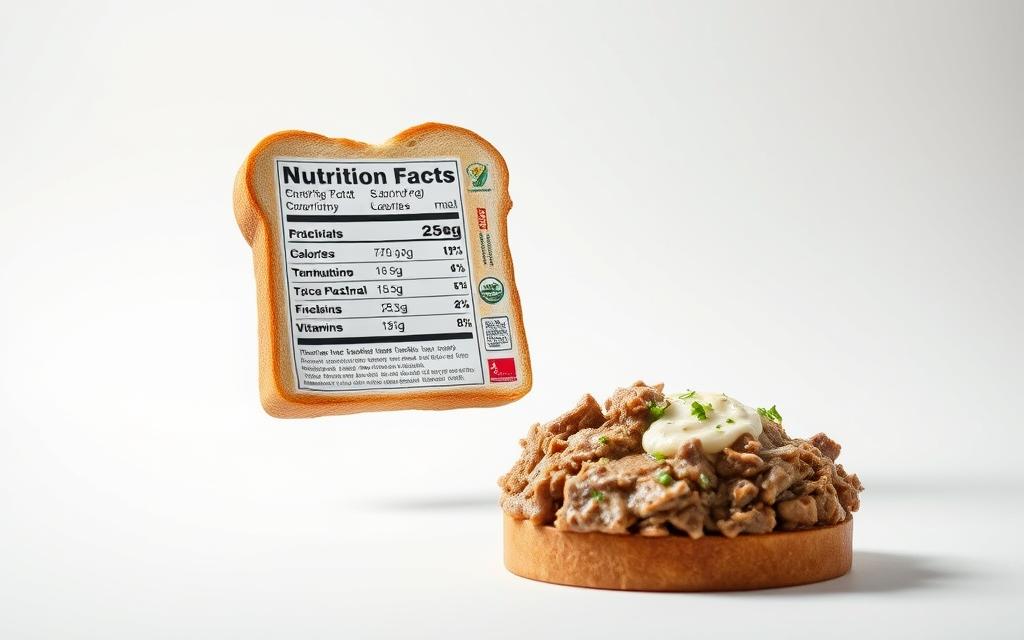
A standard serving of Shit on a Shingle, made the old way, packs a lot of energy and protein. It has about 757 calories and 32g of protein, mostly from the Buddig beef or similar dried meats.
But, the traditional recipe also has a lot of fat and salt. A serving has 46g of total fat, with 21g of saturated fat, and 1680mg of sodium. It also has 55g of carbs, mostly from the bread and sauce.
Healthier Preparation Methods
There are ways to make the dish healthier without losing its taste. Using leaner meats or low-sodium Buddig beef cuts down on fat and salt.
Using low-fat milk or Greek yoghurt instead of whole milk and butter makes it less fatty. Switching to whole grain bread adds more fibre and nutrients. These changes can reduce calories by 30% while keeping it comforting.
Adapting for Specific Dietary Requirements
Modern twists make the dish fit different diets without losing flavour. Gluten-free versions use cornstarch or arrowroot for thickening and gluten-free bread. Vegetarian options use mushrooms or textured vegetable protein instead of meat.
Low-carb versions cut down on bread, sometimes serving it over veggies. For those watching their sodium, using homemade broth and fresh herbs instead of canned soups and Buddig beef makes a big difference.
These changes show how this classic dish can be adapted for different diets while keeping its unique taste and appeal.
Preparation Tips and Common Mistakes to Avoid
Shit on a Shingle might seem easy, but getting the taste and texture right is key. You need to follow certain steps to make it just like the classic American dish. Avoiding common mistakes is crucial to get it right.
Achieving the Perfect Cream Sauce Consistency
The cream sauce is the heart of this dish. Start by mixing equal parts butter and flour to make a smooth roux. Cook it until it’s pale golden but not too dark.
Slowly add milk while whisking to avoid lumps. The sauce should stick to the back of a spoon but not be too thick. Many people make the mistake of adding milk too fast or not whisking enough.
Meat Preparation and Cooking Techniques
Dried beef is used in traditional recipes. It’s very salty because of how it’s preserved.
As one source warns:
“Dried beef is VERY salty… Do not add salt to this recipe.”
Rinse the dried beef well and soak it briefly to cut down on salt. Simmer the meat gently to keep it tender and let the flavours mix with the sauce.
Bread Selection and Toasting Methods
The bread you choose is important for the taste and texture. While white bread is traditional, you can use other types too.
One tip is:
“Because it’s so salty, I find brioche is a good bread option to balance the flavour.”
Toast the bread until it’s golden and crispy but not too hard. This helps it hold the sauce without getting too soggy.
| Bread Type | Texture Quality | Flavour Balance | Traditional Authenticity |
|---|---|---|---|
| White Sandwich Bread | Soft, good absorption | Neutral, can be overwhelmed | High authenticity |
| Brioche | Rich, slightly dense | Buttery sweetness balances salt | Modern adaptation |
| Sourdough | Firm, chewy crust | Tangy contrast to creamy sauce | Regional variation |
| Whole Grain | Heartier, less absorption | Nutty flavour complements meat | Health-conscious option |
Serving and Presentation Suggestions
How you serve Shit on a Shingle can range from simple to fancy. For a traditional look, serve it on individual plates with plenty of sauce.
Keep garnishes simple to let the dish shine. Fresh parsley adds colour, and black pepper adds a bit of heat. You can also serve it in bowls or on wooden boards for a modern twist.
It’s best to serve it right away when the toast is still crisp and the sauce is creamy. These tips help keep the dish true to its comfort food roots while making it appealing today.
Why Shit on a Shingle Endures as a American Classic
What makes Shit on a Shingle a favourite in America? It’s more than just a dish; it’s a piece of American history. It has become a beloved part of our food culture, loved by many across different times and places.
Nostalgia and Generational Appeal
For many, Shit on a Shingle brings back memories. Veterans remember it from their time in the military. Families cherish it as a part of their dinner table.
Parents pass it down to their kids, keeping a family tradition alive. The taste of it brings back memories of happy times and family meals.
Simplicity and Accessibility Factors
Shit on a Shingle is easy to make with simple ingredients. It’s something anyone can cook, no matter their skill level.
This makes it perfect for experimenting with recipe variations. You can make it your own, using what you have in your kitchen.
The Dish’s Role in American Food Culture
Shit on a Shingle shows American ingenuity in cooking. It proves that simple ingredients can make delicious meals.
Over time, it has changed but stayed true to its roots. Today, you can find healthier and vegetarian versions, keeping it relevant for all.
“Try making it for yourself at home, and you’ll see why this classic cream chipped beef recipe has stayed popular for so long!”
| Aspect | Traditional Version | Modern Variations | Key Differences |
|---|---|---|---|
| Main Protein | Chipped beef | Turkey, mushrooms, or plant-based alternatives | Healthier options and dietary accommodations |
| Bread Base | White toast | Whole grain, biscuits, or hash browns | Texture and nutritional improvements |
| Sauce Base | Whole milk roux | Low-fat milk, cream alternatives, or wine reductions | Lighter options and flavour enhancements |
| Additional Ingredients | Basic seasonings | Herbs, cheeses, vegetables, or spices | Flavour complexity and nutritional value |
Shit on a Shingle’s lasting appeal is in its mix of tradition and flexibility. With so many recipe variations, it can be enjoyed in many ways. Yet, it always stays true to its comforting roots.
This adaptability keeps it loved in today’s kitchens. It pleases both those who love the old ways and those who enjoy new twists.
Conclusion
Shit on a Shingle is a beloved part of American food history. It connects people across generations with its simple yet tasty appeal. This dish is more than just food; it’s a symbol of nostalgia, comfort, and American home cooking ingenuity.
Its lasting charm comes from being adaptable and touching hearts. It’s enjoyed in many ways, from traditional to new twists. Its simplicity makes it easy to make, and different versions highlight America’s rich food diversity.
Looking at the nutritional side of this comfort food, we see it can be made healthier today. The basic nutritional facts show it can be balanced with careful cooking. This understanding helps us see how this classic has grown while keeping its comforting feel.